

The streaming landscape has shifted dramatically over the last decade. What was once a simple choice between buying a DVD or paying for cable has evolved into a complex ecosystem where viewer preferences change almost as quickly as the technology delivering the content. For content owners and broadcasters, 2026 presents a massive opportunity. Viewers are more willing than ever to pay for quality, but they demand flexibility in how they do so.
Choosing the right revenue model is no longer just a financial decision; it's a core part of your user experience strategy. The success of a streaming service hinges on its ability to align its monetization with audience expectations. As subscription fatigue grows and new viewing habits emerge, a one-size-fits-all approach is no longer viable. Understanding the diverse OTT monetization models is crucial for anyone looking to launch or scale a streaming service.
Whether you are launching a niche fitness channel or a global entertainment hub, understanding how to monetize your library is critical. Here are the top seven monetization models dominating the industry in 2026, each offering distinct advantages for platforms and viewers alike.
1. Subscription Video on Demand (SVOD)
SVOD is the powerhouse of the streaming industry. This model is straightforward: users pay a recurring fee, typically monthly or annually, for unlimited access to a content library. Giants like Netflix and Disney+ have cemented this model as the gold standard for many streaming services.
Why It Works
Predictability is the greatest strength of SVOD. For businesses, it provides a steady, recurring revenue stream, which makes financial forecasting and budget management much simpler. This stability allows for sustained investment in acquiring or producing exclusive content, a key differentiator in a crowded market. For viewers, it offers an "all-you-can-eat" buffet of content without the interruption of ads or the friction of paying for individual titles. This value proposition fosters loyalty and reduces churn.
Benefits of SVOD
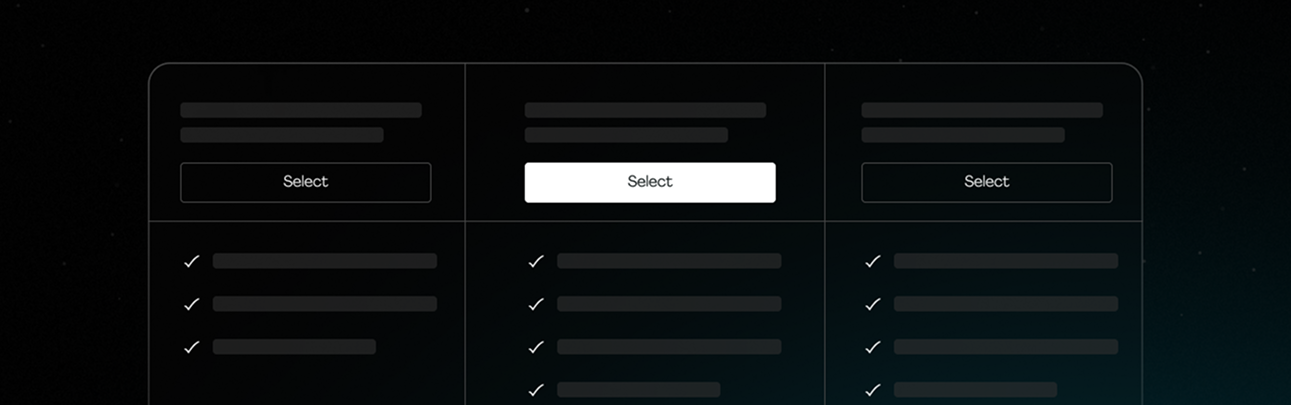
The primary benefit is building a direct, long-term relationship with your audience. By collecting data on viewing habits, platforms can deliver personalized recommendations and curate content that resonates with subscribers, enhancing user satisfaction. SVOD also supports tiered offerings. You can create different subscription levels, such as a basic plan, a standard plan with HD, and a premium plan with 4K streaming and multiple concurrent streams. This flexibility allows you to cater to different budget levels and user needs, broadening your potential customer base.
2. Ad-Supported Video on Demand (AVOD)
As viewers become more selective about their paid subscriptions, AVOD has experienced a significant resurgence. In this model, content is offered for free, with revenue generated from advertisements shown before, during, or after the video content. YouTube is the quintessential example, but many premium platforms like Tubi and Peacock have successfully adopted this model.
Why It Works
The barrier to entry is zero. Users do not need to provide credit card information to start watching, which allows platforms to scale their user base rapidly and reach a much wider audience. This large, engaged audience is highly attractive to advertisers, who are willing to pay premium rates for targeted ad placements. Modern ad technology allows for precise targeting based on demographics, viewing history, and interests, making the ads more relevant to the viewer and more effective for the advertiser.
Benefits of AVOD
AVOD is an excellent strategy for maximizing reach and capturing viewers who are either unwilling or unable to pay for another subscription. It is particularly effective in markets where credit card penetration is low or where consumers are more price-sensitive. For content owners, it provides a way to monetize back-catalog content that might not be a strong driver for a subscription service. The key to a successful AVOD strategy is balancing the ad load to avoid frustrating viewers while still generating sufficient revenue.
3. Transactional Video on Demand (TVOD)
TVOD is the digital equivalent of a video rental store. This model allows users to pay a one-time fee to either rent content for a limited time or purchase it for permanent access, also known as Electronic Sell-Through (EST). It’s the preferred model for new movie releases, major sporting events, and other exclusive, high-demand content.
Why It Works
TVOD thrives on immediacy and exclusivity. Viewers are willing to pay a premium for early access to a blockbuster film or to watch a specific event they can't find anywhere else. There is no long-term commitment, which appeals to casual viewers who may not want another monthly subscription. This "pay-per-use" approach gives consumers control over their spending, as they only pay for the specific content they want to watch.
Benefits of TVOD
This model can generate significant revenue spikes around major releases or events. It allows content creators to capture the highest possible value for their most anticipated content. For niche creators, such as independent filmmakers or educational course providers, TVOD offers a direct path to monetization without needing to build a large subscriber base. Security is paramount for TVOD, and robust Digital Rights Management (DRM) is essential to protect high-value content from piracy and ensure every transaction translates to revenue.
4. Hybrid Models
Why choose just one monetization strategy when you can combine them? Hybrid models blend elements of SVOD, AVOD, and TVOD to create a flexible and powerful revenue engine. This approach acknowledges that a single platform can serve different audience segments with varying preferences and willingness to pay.
Why It Works
Hybrid models maximize revenue potential by catering to a wider spectrum of users. For example, a platform might offer a lower-priced subscription tier that includes ads (a blend of SVOD and AVOD), alongside a more expensive, ad-free premium tier. Another common hybrid approach combines a core SVOD library with TVOD options for new movie releases or exclusive events. This allows subscribers to access a large catalog while still offering the opportunity for premium, one-off purchases.
Benefits of Hybrid Models
The main benefit is flexibility. It allows a platform to capture revenue from users who prefer ad-supported free content, those who want a premium ad-free experience, and those willing to pay for exclusive access. This diversification of revenue streams makes the business more resilient to market shifts. A top-tier OTT development company like Regal Streaming Solutions can provide the necessary streaming platform solutions to implement these complex, multifaceted models effectively.
5. Freemium
Often confused with AVOD, the freemium model operates on a slightly different principle. It involves offering a basic tier of content or features for free indefinitely, with the strategic goal of upselling users to a paid premium tier. The free offering is designed to be compelling enough to attract and retain users, while the premium tier offers significant added value.
Why It Works
Freemium is an effective customer acquisition tool. It allows users to experience the platform and its content without any financial commitment, building trust and familiarity. Once users are engaged and see the value in the service, it becomes much easier to convince them to upgrade for a better experience. The premium tier might offer an ad-free experience, access to an exclusive library, higher video quality like 4K, or advanced features like offline downloads.
Benefits of Freemium
This model significantly lowers customer acquisition costs, as the free tier acts as a powerful marketing engine. By analyzing the behavior of free users, platforms can identify the most engaged individuals and target them with compelling upgrade offers at the perfect moment. This data-driven approach helps convert free users into paying subscribers more efficiently. It’s a patient strategy that focuses on building a large user base first and monetizing it over time.
6. Live Pay-Per-View (PPV)
While TVOD typically applies to pre-recorded content, Live PPV is exclusively for real-time events. This has long been the standard for major combat sports like boxing and MMA, but its use has expanded to include live concerts, exclusive conferences, and other one-time digital events.
Why It Works
The driving force behind Live PPV is the "fear of missing out" (FOMO). The value is in the immediacy and shared experience of watching an event as it unfolds. Audiences are willing to pay a premium to be part of a cultural moment. This model is capable of generating massive revenue over a very short period, often centered around a single evening. The scarcity and timeliness of the content create a powerful incentive to purchase.
Benefits of Live PPV
For event organizers and rights holders, Live PPV provides a direct way to monetize a live broadcast to a global audience. It circumvents the need for traditional broadcast partners and gives them full control over pricing and distribution. However, the technical execution must be flawless. A successful Live PPV event requires a scalable streaming infrastructure that can handle sudden, massive spikes in concurrent viewers without buffering or crashing. The viewer experience must be seamless from payment to playback.
7. FAST (Free Ad-Supported Streaming TV)
One of the fastest-growing OTT monetization models is FAST. Unlike on-demand AVOD, where users select what to watch from a library, FAST channels present content in a pre-programmed, linear schedule. It replicates the traditional "lean-back" experience of broadcast television, but it's delivered over the internet and supported by ads.
Why It Works
FAST effectively solves "decision paralysis." Sometimes, viewers don't want to spend time browsing a vast library; they simply want to turn something on and start watching. FAST channels cater to this passive viewing habit by offering a curated, continuous stream of content, often centered around a specific genre like true crime, classic sitcoms, or nature documentaries. This familiar, TV-like experience keeps viewers engaged for longer periods.
Benefits of FAST
For content owners, FAST provides a new way to monetize their existing VOD libraries by programming them into 24/7 linear channels. This increases the total watch time and creates significantly more ad inventory. For advertisers, it combines the reach of linear TV with the advanced targeting capabilities of digital advertising. This combination of a relaxed viewing experience and data-driven ad delivery makes FAST an increasingly popular and profitable model for platforms and content creators.
Choosing the Right Path Forward
The era of a "one-size-fits-all" revenue strategy is over. The most successful OTT platforms in 2026 will be those that deeply understand their audience and remain agile enough to adapt. You might launch with a pure SVOD model and later find that a hybrid approach incorporating an AVOD tier will better fuel your growth.
Whatever path you choose, the underlying technology is what makes it possible. You need more than just a video player; you require a comprehensive business engine designed to maximize the value of every stream. Partnering with an expert in streaming platform solutions ensures you have the flexible, scalable foundation needed to deploy, test, and optimize the OTT monetization models that best fit your content and your audience.


