

The video streaming industry is exploding globally. Digital content consumption has reached unprecedented heights, transforming how audiences watch their favorite shows, learn new skills, and stay fit. From regional entertainment networks to independent educators, launching a streaming service has become a highly profitable business model.
If you want to capitalize on this boom, you might be wondering exactly how to start an OTT platform from scratch. Building a streaming app involves much more than simply writing code. You need a solid business plan, a clear target audience, and a reliable technical infrastructure.
This comprehensive guide walks you through the entire process. We will cover everything from choosing a profitable niche and deciding on OTT monetization models to understanding the OTT platform cost in India. By the end of this post, you will have a clear roadmap to launch your streaming business successfully.
What is an OTT Platform?
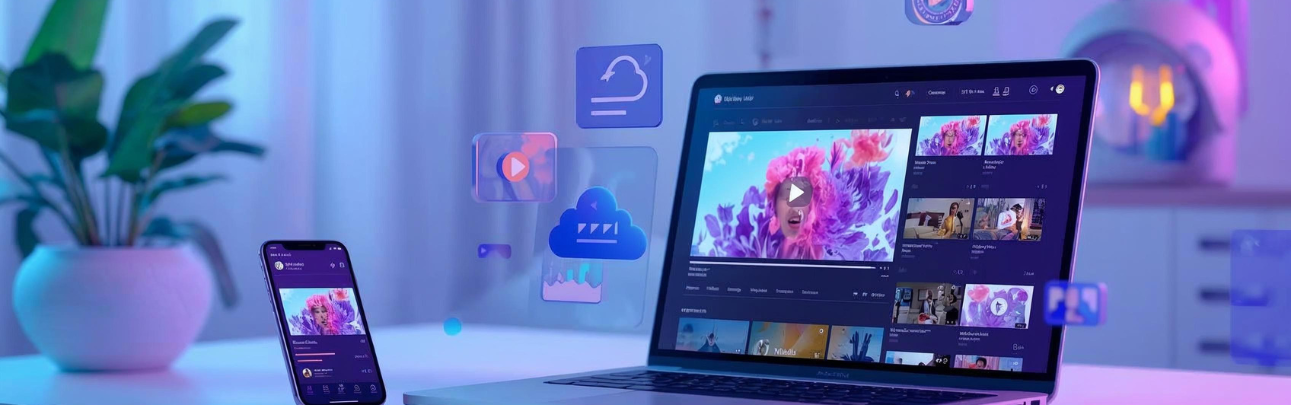
An Over-The-Top (OTT) platform is a digital video streaming service that delivers content directly over the internet. It bypasses traditional cable, satellite, and broadcast television providers. Users simply download an application or visit a website to watch videos on demand.
Well-known examples include global giants like Netflix, Amazon Prime, and Disney+. However, the market is no longer just for massive corporations. Smaller, niche-focused platforms are securing loyal audiences and generating substantial revenue.
Step 1: Choose Your OTT Niche
The biggest mistake new streaming businesses make is trying to compete directly with massive platforms like Netflix. You cannot outspend them on general entertainment. Instead, you need to focus on a specific, passionate audience.
Finding a niche is the most critical step in starting your streaming business. Niche platforms grow much faster because they cater to highly specific viewer interests, which lowers marketing costs and builds strong community loyalty.
Consider these profitable OTT niches:
Regional content: Focus on specific languages like Punjabi, Gujarati, Tamil, or Malayalam.
Education and E-learning: Build a platform for specialized courses, coding bootcamps, or competitive exam preparation.
Fitness and Wellness: Stream yoga classes, home workout routines, or nutritional coaching.
Religious and Spiritual Content: Broadcast sermons, spiritual music, or guided meditation.
Independent Films: Showcase indie movies, short films, and documentaries that mainstream platforms ignore.
Kids Content: Provide safe, educational, and entertaining shows for children.
Step 2: Decide Your OTT Monetization Models
How will your platform make money? Your revenue model dictates your entire business strategy, user experience, and marketing plan.
Here are the most popular OTT monetization models:
SVOD (Subscription Video on Demand): Users pay a recurring monthly or yearly fee to access your entire content library.
AVOD (Ad-Supported Video on Demand): Users watch your content for free, and you make money by displaying advertisements before, during, or after the videos.
TVOD (Transactional Video on Demand): Users pay a one-time fee to rent or purchase a specific movie, series, or live event.
Hybrid Model: A combination of the above. You might offer free ad-supported content to attract viewers, while keeping premium, ad-free content behind a subscription paywall.
Learn more about choosing the right strategy in our detailed guide on OTT monetization models.
Step 3: Plan Your Essential and Advanced Features
The features you include will directly impact your user experience and your overall OTT platform development budget. Start with the basics and scale up as your audience grows.
Essential Features for Launch:
User registration and profile management
A responsive, high-quality video streaming player
Secure payment gateway integration
Intuitive search bars and content filters
Multi-device support (web, mobile, tablet)
Advanced Features for Scaling:
AI-driven content recommendations based on watch history
Offline downloads for viewing without an internet connection
Live streaming capabilities for events or classes
Multi-language support and subtitles
Discover the full technical requirements in our breakdown of OTT platform features.
Step 4: White Label vs. Custom OTT Platform Development
When it comes to building the actual software, you have two primary paths. Your choice depends on your budget, timeline, and long-term goals.
Option 1: White Label OTT Platform
A white-label solution provides a pre-built streaming infrastructure. You add your logo, brand colors, and content, and the platform handles the underlying technology.
Pros: Fast launch time (often weeks), lower initial cost, and built-in maintenance.
Cons: Limited customization, ongoing monthly platform fees, and less control over the source code.
Read more about the benefits of a white-label OTT platform.
Option 2: Custom OTT Development
Building from scratch means a development team writes custom code specifically for your business.
Pros: Complete ownership of the platform, infinite scalability, and the ability to build highly unique features.
Cons: Higher initial development cost and a longer launch timeline (months instead of weeks).
Step 5: Understand the OTT Platform Cost in India
Before you begin development, you must outline your financial resources. The cost to launch varies wildly depending on whether you choose a white-label service or custom development.
Here is a general estimate of the OTT platform cost in India:
Basic MVP Platform (₹3,00,000 – ₹8,00,000): Good for testing a niche market with core streaming features.
Mid-Level Platform (₹8,00,000 – ₹20,00,000): Includes custom mobile apps, better UI/UX, and robust backend support for growing traffic.
Advanced Enterprise Platform (₹20,00,000+): Features smart TV apps, AI recommendations, complex DRM security, and heavy server infrastructure.
For a comprehensive budget breakdown, read our full guide on the cost to build an OTT platform in India.
Step 6: Choose the Right Technology Stack
Your platform needs a powerful technical foundation to stream high-definition video without buffering. If you choose custom development, your tech partner will likely use a stack similar to this:
Frontend Development: React.js for web applications; Flutter or React Native for cross-platform mobile apps.
Backend Development: Node.js, Django (Python), or Ruby on Rails for managing users and databases.
Database Management: MongoDB for flexible content data and PostgreSQL for secure user transactions.
Video Streaming Infrastructure: AWS Media Services for encoding, and Cloudflare CDN (Content Delivery Network) for lightning-fast video delivery globally.
Step 7: The OTT Platform Development Process
Building a streaming service involves a structured workflow. Here is what you can expect when working with a development team:
Planning and Strategy: Defining your target audience, content type, and monetization strategy.
UI/UX Design: Creating wireframes, app layouts, user journeys, and applying your custom branding.
Core Development: Writing the frontend and backend code, and integrating third-party APIs (like payment processors).
Testing and Quality Assurance: Checking video playback performance under heavy loads, securing payment gateways, and fixing bugs across different devices.
Final Launch: Deploying the web platform and submitting your apps to the Google Play Store and Apple App Store.
Step 8: Build a Winning Content Strategy
Content is the heart of your streaming service. Even the most beautifully designed app will fail if viewers have nothing interesting to watch. You need a reliable pipeline of high-quality videos.
You have three main options for sourcing content:
Licensed Content: Purchasing the rights to stream movies, shows, or courses produced by others.
Original Content: Producing your own exclusive videos that viewers cannot find anywhere else.
User-Generated Content: Allowing creators to upload their own videos to your platform (like YouTube).
Focus on consistency and quality. A smaller library of highly relevant, excellent videos will perform better than a massive library of low-quality filler.
Step 9: Marketing Your Streaming Service
You built the platform, but how do you get people to subscribe? Marketing is non-negotiable for OTT success. Without a solid strategy, your platform will struggle to gain traction.
Implement these marketing strategies to acquire users:
SEO (Search Engine Optimization): Write informative blog posts (just like this one) to capture search traffic.
Social Media Marketing: Share trailers, behind-the-scenes clips, and educational snippets on Instagram, TikTok, and YouTube.
Influencer Promotions: Partner with content creators in your specific niche to promote your platform to their followers.
Paid Advertising: Run targeted Google Ads and Facebook Ads to reach viewers actively looking for your type of content.
Step 10: Scale and Grow Your Platform
Launch day is just the beginning. To keep subscribers paying month after month, you must continuously improve the platform.
Conclusion
Starting an OTT platform in 2026 is one of the most exciting digital business opportunities available. By carefully selecting a profitable niche, planning your features, and choosing the right development approach, you can build a highly successful streaming service.
Remember the golden rule: Focus on a specific niche, start with essential features, and scale smartly as your subscriber base grows.
Ready to Start Your OTT Platform?
Building a streaming service can be complex, but you do not have to do it alone. Contact Regal OTT Solution today. Our expert team provides scalable, cost-effective development services to help you launch your OTT business rapidly.
Frequently Asked Questions
Depending on the complexity, building a platform takes between 2 and 6 months. White-label solutions can launch much faster, often within a few weeks.
Yes. You can use pre-built, white-label streaming solutions that require a lower upfront investment compared to custom development.
No. Modern OTT software comes with user-friendly admin dashboards. If you partner with a good development team, they handle all the complex coding and server management.
Regional language content and highly specific niches (such as specialized education or fitness) currently offer the highest return on investment due to lower competition.
Yes. With a clear target audience, smart marketing, and the right monetization model, an OTT platform offers excellent recurring revenue potential.


